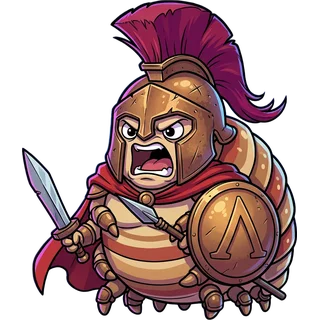
ISOPODICUS emblem: a scowling isopod in a gold Greek helmet with a purple plume, inside a laurel wreath with crossed swords

ISOPODICUS

Gods. Gladiators. Peasants.

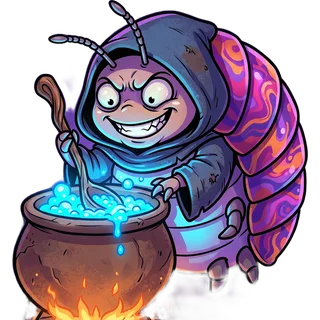
The realm of the tiny and the armoured. Recruit crustaceans and crawlies in the Agora, raise them in the Barracks where they build colonies and pick fights, and ask the Oracle whether bugs are ticklish. Nobody here is actually for sale.

The Legend of Isopodicus

As told by the chroniclers of the damp places, in four short chapters. Every chapter ends with the true story behind the myth.

Chapter I

Out of the Sea

In the beginning, everything was ocean. The first isopods grew tired of being eaten by fish, put on their armour, and crawled out onto the land.

The land was dry and cruel, so they hid under leaves and stones and swore never to forget the sea.

True story: woodlice and pill bugs are crustaceans, related to crabs and shrimp. Their ancestors lived in the sea, and they still breathe through gill-like plates that must stay moist. That is why they love humidity.

Chapter II

The Gods Divide the Realm

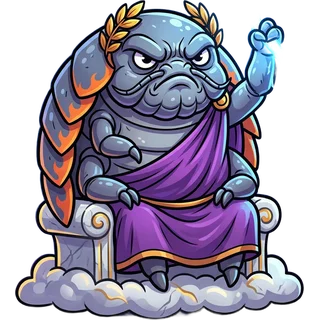
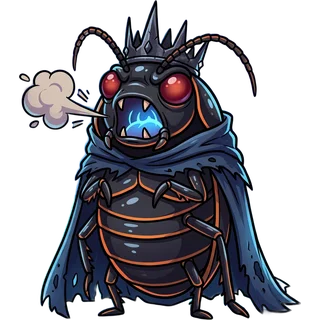
Expansus Maximus, the widest of all, claimed the high bark. Hades the Hisser took the dark soil below. Hermes Velox ran messages between them, so fast he left a new family behind at every stop.

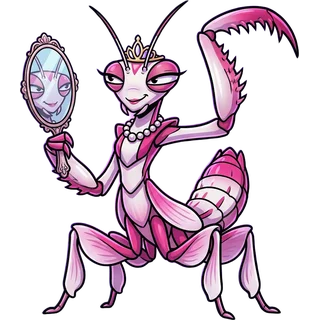
Aphroditis claimed the flowers, and admirers who came too close were never seen again.

True story: hissing cockroaches hiss by forcing air out of their breathing holes, and orchid mantises really do disguise themselves as flowers to ambush insects.

Chapter III

The Founding of the Ludus

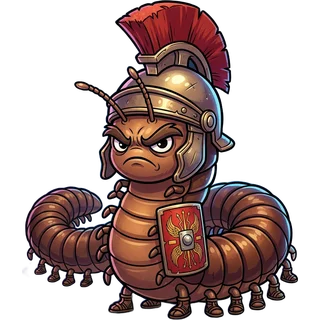
The gods grew bored and built a gladiator school among the cork arches. Champions came from every corner: Pandacus the roller, Canyonidas who would not move, and Millipedius, a legion all by himself.

The battles were glorious, and very short, because most contestants rolled into a ball and waited.

True story: rolling into a ball is called conglobation. Pill bugs can do it; most flat woodlice like Porcellio cannot, so they clamp down or run instead.

Chapter IV

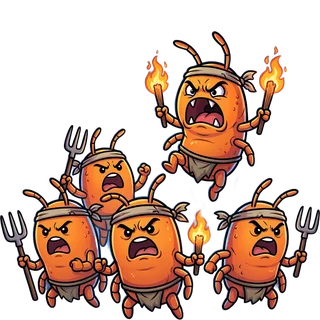
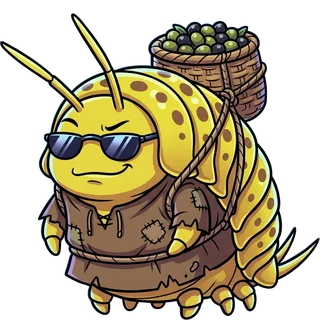
The Peasants Hold It Together

The gods took the glory, but the peasants did the work. They ate the fallen leaves, gnawed the rotting wood, and devoured the mould, turning death into fresh soil.

Without them the gods would have drowned in their own leaf litter. Every wise ruler of Isopodicus remembers this.

True story: isopods and springtails are decomposers. They break down dead plants and mould and return nutrients to the soil, which is why keepers call them a cleanup crew.

The Agora

Recruit contenders for your barracks. Recruit two or more of a species and they may form a colony and raise babies. Every contender is rated from zero to three stars in eight traits; tap one for its legend.

Star ratings are our playful summary of common keeper experience with each species, not lab measurements.

The Barracks

Your recruits live here. Same species band together into colonies and raise babies. Hungry, grumpy or ferocious bugs start brawls, and every bug defends itself its own way. Set the humidity, keep the food stocked, and read what happened in the chronicle.

Day 0Infirmary

Humidity

Supplies

Roster

The Chronicle

    The Oracle of Tickles: are bugs ticklish?

    The Oracle has spoken: sort of. Bugs are covered in tiny touch-sensing hairs, and a gentle tickle sets off a reflex. But not one has ever giggled. Choose a contender, then choose where to tickle.

    Giggles recorded: 0
    Hairs that feelInsects and isopods carry sensory hairs called setae across their bodies and antennae. Each hair bends at the lightest touch and fires a nerve, so bugs feel even a breath of air.
    Reflex, not a jokeA bug's "tickle" response is a defence reflex. A pill bug rolls into a ball, a Porcellio clamps flat or bolts, a springtail flings itself with a tail-spring called a furcula.
    Who really laughs?Laughter-like tickle responses are known in mammals: researchers have recorded rats making high-pitched "laughing" chirps when tickled. Nothing like that has been found in bugs.
    Tickle with mercyReal bugs find handling stressful. Look more, touch less, use a soft brush, keep them low over their enclosure, and wash your hands afterward.